Tisbury Natural History Society
  • Home
    • About the Society
    • Committee
  • Blog
  • Talks & Films
  • Field trips
  • Young Nature Watch
  • Resources
    • Wildlife identification and recording >
      • Local wildlife >
        • Local wildlife sites
        • Birds
        • Butterflies
        • Mammals
        • Wildflowers
      • Identification
      • Recording
      • Wildlife trail camera project
    • Other useful websites
    • Reading list
  • Contact us

Blog

Talk notes: Hen Harrier Southern Reintroduction Project

11/2/2024

 
Picture
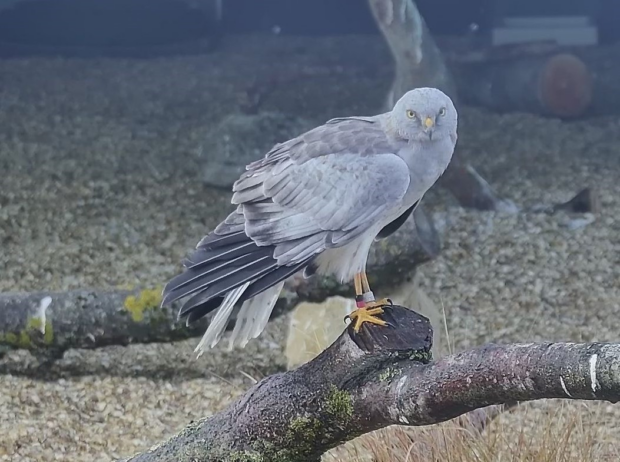
(c) Natural England (male hen harrier) 

The talk last week given by Flemming Ulf-Hansen and Sofia Muñoz from Natural England was illustrated with photographs and videos from their project headquarters near Salisbury Plain where their captive hen harriers from France have spent a year acclimatising to their new location, surrounded by species rich grassland. The deliberately low maintenance management of the land on Salisbury Plain makes this location ideal for hen harriers as it is richly populated with voles and farmland birds like corn buntings, linnets, pipits and skylarks, which are the mainstay of their diet.

Hen harriers nest on the ground, preferring deep heather on moors or tucked down amongst high arable crops. It is thought that 50-60% of the young die in any year as they are vulnerable to predators such as foxes, badgers and stoats. Early harvesting in arable fields also brings danger if the nests remain undetected. The captive hen harriers in France and Spain have typically been rescued as fledglings from abandoned nests. 

Male hen harriers are polygynous so they may need to supply several females with food, which adds another precariousness to their young’s chances of reaching adulthood. With 5-10 journeys to each nest per day, bringing food in the first 15 days, a male hen harrier has the sole responsibility for nourishing the chicks before the female begins hunting for supplementary food. With no parental lessons in hunting given, the juveniles have to adapt fast to survive when the time comes to leave the nest. Since hen harriers like to return to their natal area, it is hoped that any juveniles born this year will provide the breeding stock for the future.

For further information about this interesting breeding project and Natural England’s outreach work with gamekeepers and the farming community, please go to their Project blog.


Comments are closed.
    Photo: Avocets ​(Izzy Fry)

    ​The headers display photos taken by our members. Do get in touch via the Contact Form if you'd like to submit a photo for selection.
    Get our website news by email:
    Also go to our pages at:

    Facebook
    Instagram

    Archives

    November 2025
    October 2025
    September 2025
    August 2025
    July 2025
    June 2025
    May 2025
    April 2025
    March 2025
    February 2025
    January 2025
    December 2024
    November 2024
    October 2024
    September 2024
    August 2024
    July 2024
    June 2024
    May 2024
    April 2024
    March 2024
    February 2024
    January 2024
    December 2023
    November 2023
    October 2023
    September 2023
    August 2023
    July 2023
    June 2023
    May 2023
    April 2023
    March 2023
    February 2023
    January 2023
    December 2022
    November 2022
    October 2022
    September 2022
    August 2022
    July 2022
    June 2022
    May 2022
    April 2022
    March 2022
    February 2022
    January 2022
    December 2021
    November 2021
    October 2021
    September 2021
    August 2021
    July 2021
    June 2021
    May 2021
    April 2021
    March 2021
    February 2021
    January 2021
    December 2020
    November 2020
    October 2020
    September 2020
    August 2020
    July 2020
    June 2020
    August 2019
    May 2019
    April 2019
    February 2019
    January 2019
    November 2018
    October 2018

    Categories

    All
    Amphibians
    Birds
    Butterflies & Moths
    Conservation & Biodiversity
    Field Trips
    Film
    Fish
    Focus Magazine
    Fungi
    Identification & Recording
    Insects & Molluscs
    Mammals
    Oyster-coppice
    Plants
    Special Events
    Surveys
    Swifts Project
    Talks
    Trees
    Wildlife Camera

    RSS Feed

Proudly powered by Weebly
  • Home
    • About the Society
    • Committee
  • Blog
  • Talks & Films
  • Field trips
  • Young Nature Watch
  • Resources
    • Wildlife identification and recording >
      • Local wildlife >
        • Local wildlife sites
        • Birds
        • Butterflies
        • Mammals
        • Wildflowers
      • Identification
      • Recording
      • Wildlife trail camera project
    • Other useful websites
    • Reading list
  • Contact us